
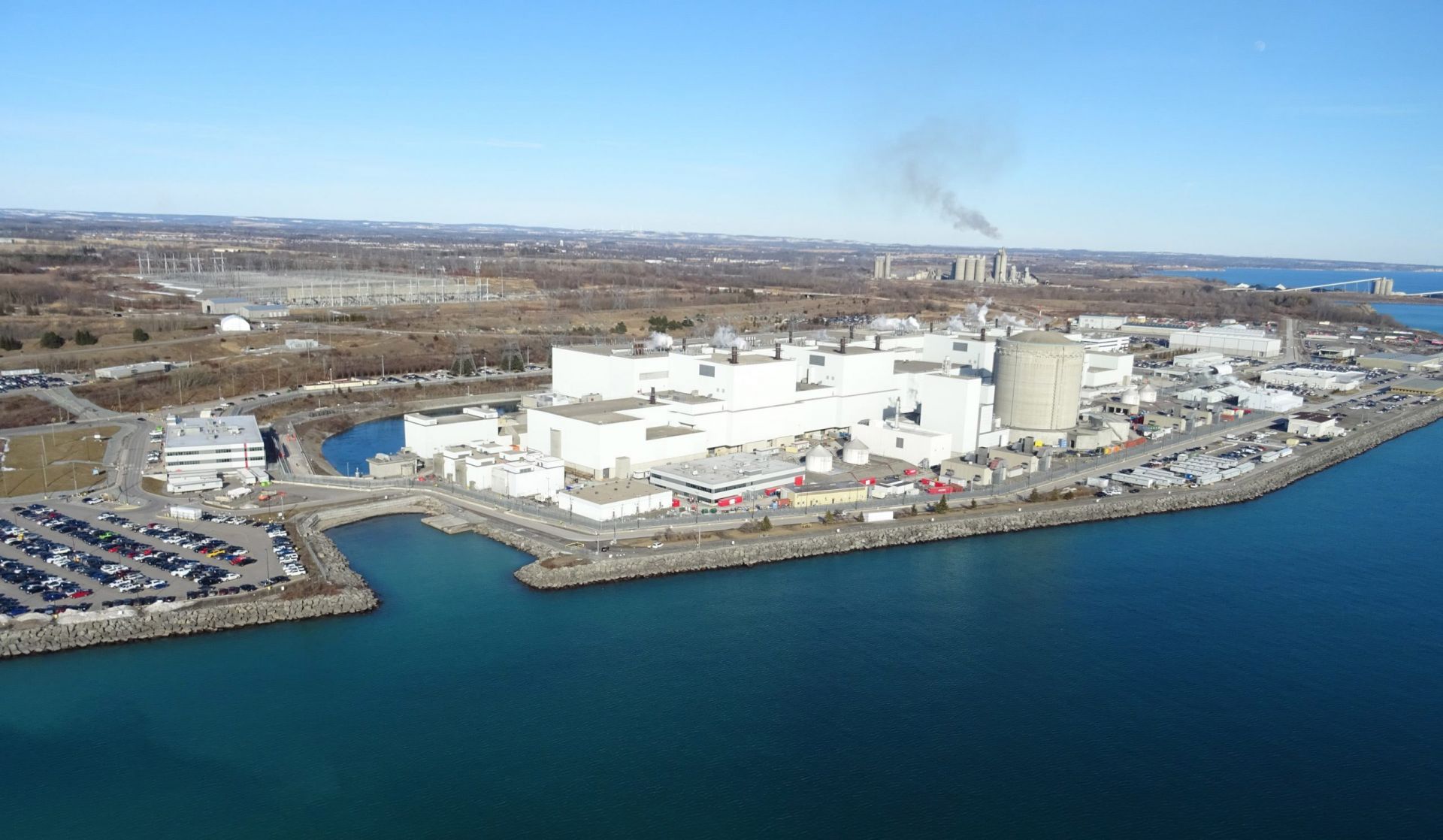
The base mat installation launches the construction of the BWRX-300, a modular plant designed by GE Vernova. While the industry refers to these units as "small," the project is substantial: four planned units will each produce 300 megawatts, collectively capable of powering 300,000 homes. The project, supported by a CAD$20.9 billion budget, secured its construction license from the Canadian Nuclear Safety Commission in April 2025, with an in-service target of 2030.
Unlike traditional, massive nuclear facilities, these reactors utilize prefabricated modules that can be transported by rail or truck. This portability makes them candidates for remote industrial sites, including oil sands and mining operations, as well as northern communities currently reliant on diesel generators. The technology features fewer moving parts and a single-vessel design for fuel and cooling, which improves safety by reducing heat production and mechanical failure points. However, the move to BWRX-300 units introduces a new logistical challenge for Canada: these reactors require low-enriched uranium, a fuel type the country does not currently produce domestically.
The global race for modular nuclear power is accelerating as tech giants like Google, Amazon, and Microsoft seek clean, high-capacity energy to support data centers. While Russia and China already operate small reactors, the G7 is now mobilizing. In the United States, Bill Gates’s Terrapower has broken ground in Wyoming, and the U.K. has tapped Rolls-Royce to lead its own SMR development. From molten salt reactor research in the Netherlands to feasibility studies in Alberta, the shift toward smaller, less capital-intensive nuclear units is becoming a cornerstone of international energy policy.
Comments (0)
No comments yet. Be the first!