
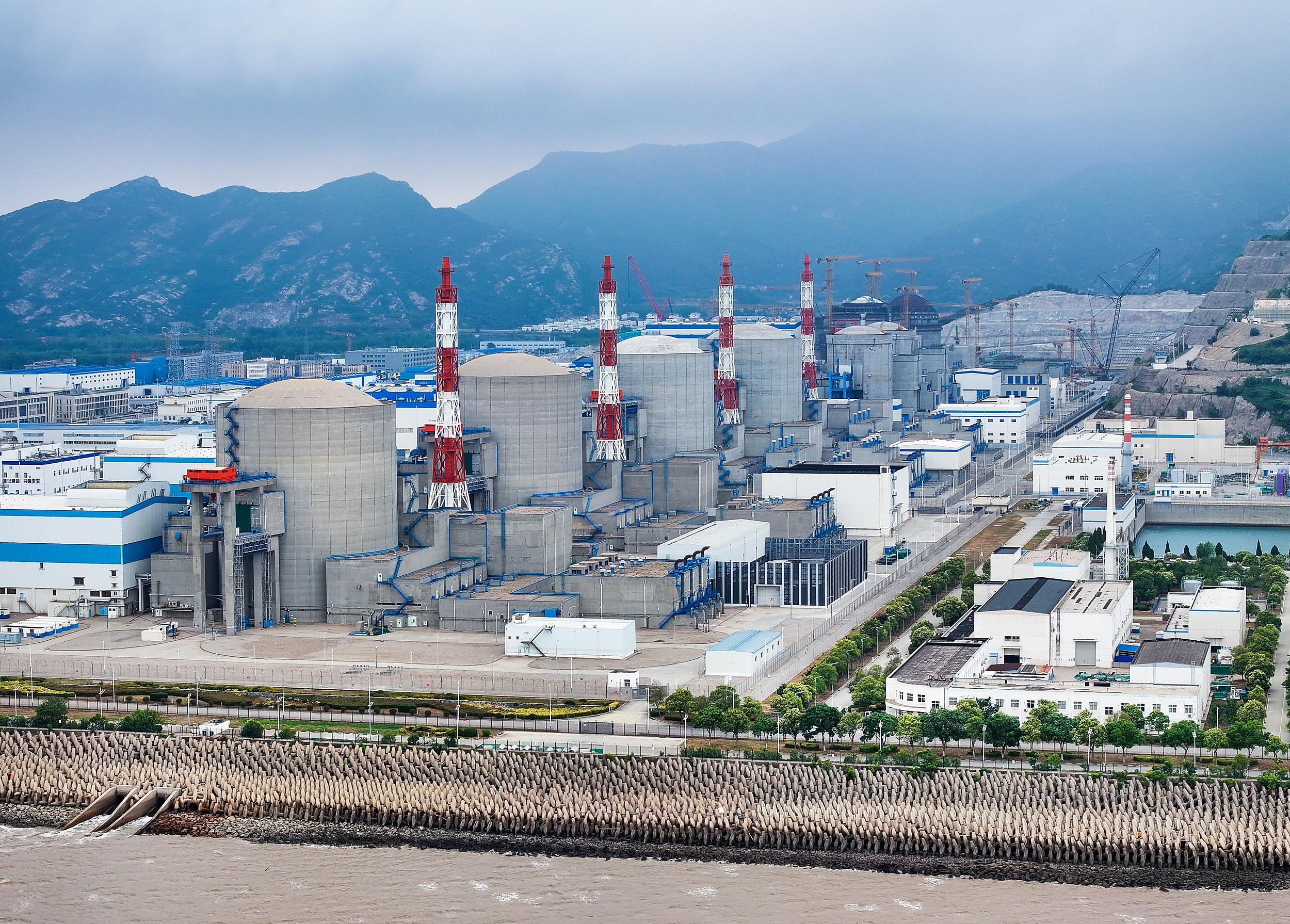
The disparity between the two nations is stark. During the years it took the United States to complete a single reactor project, China added 34 gigawatts of nuclear capacity. Analysts point to a fundamental difference in execution: Chinese firms can finalize a new plant in roughly six years, whereas U.S. projects frequently span over a decade. This momentum is anchored in China’s 15th Five Year Plan, which prioritizes massive state-backed investment over the bureaucratic hurdles that plague Western development.
Donald Trump has signaled a desire to reclaim American leadership in the nuclear market, primarily by slashing regulatory oversight to mimic faster construction timelines. However, accelerating development by curbing safety standards presents significant public risk. This rivalry extends into next-generation technologies, including small modular reactors and molten salt designs. Beijing currently holds an advantage in these fields, leveraging centralized government support to outpace U.S. research and deployment efforts. As the artificial intelligence boom drives global energy demand to record levels, the competition for reliable, carbon-free power has become a defining economic and strategic battleground.
Comments (0)
No comments yet. Be the first!