
The transition toward what Beijing calls "new quality productive forces" is reshaping how foreign companies operate. Raquel Ramirez Alexander of the European Union Chamber of Commerce in China noted that growth is moving away from simple scale and capital investment, favoring digitalization, sustainability, and productivity gains. This sentiment is backed by recent surveys showing renewed confidence among European firms regarding the Chinese business environment.
For many companies, the attraction lies in the rapid conversion of research into industrial application. Simon Lacey, founder of Market Access X, argued that China’s current value proposition is its unmatched ability to iterate products quickly, supported by a deep talent pool. This view is shared by firms like Mubea, which has evolved its Changzhou facility from an assembly site into a hub for co-developing machine configurations for global markets. Similarly, 3M China plans to accelerate its local R&D investment, projecting a 30 percent increase in new product launches this year compared to 2025.
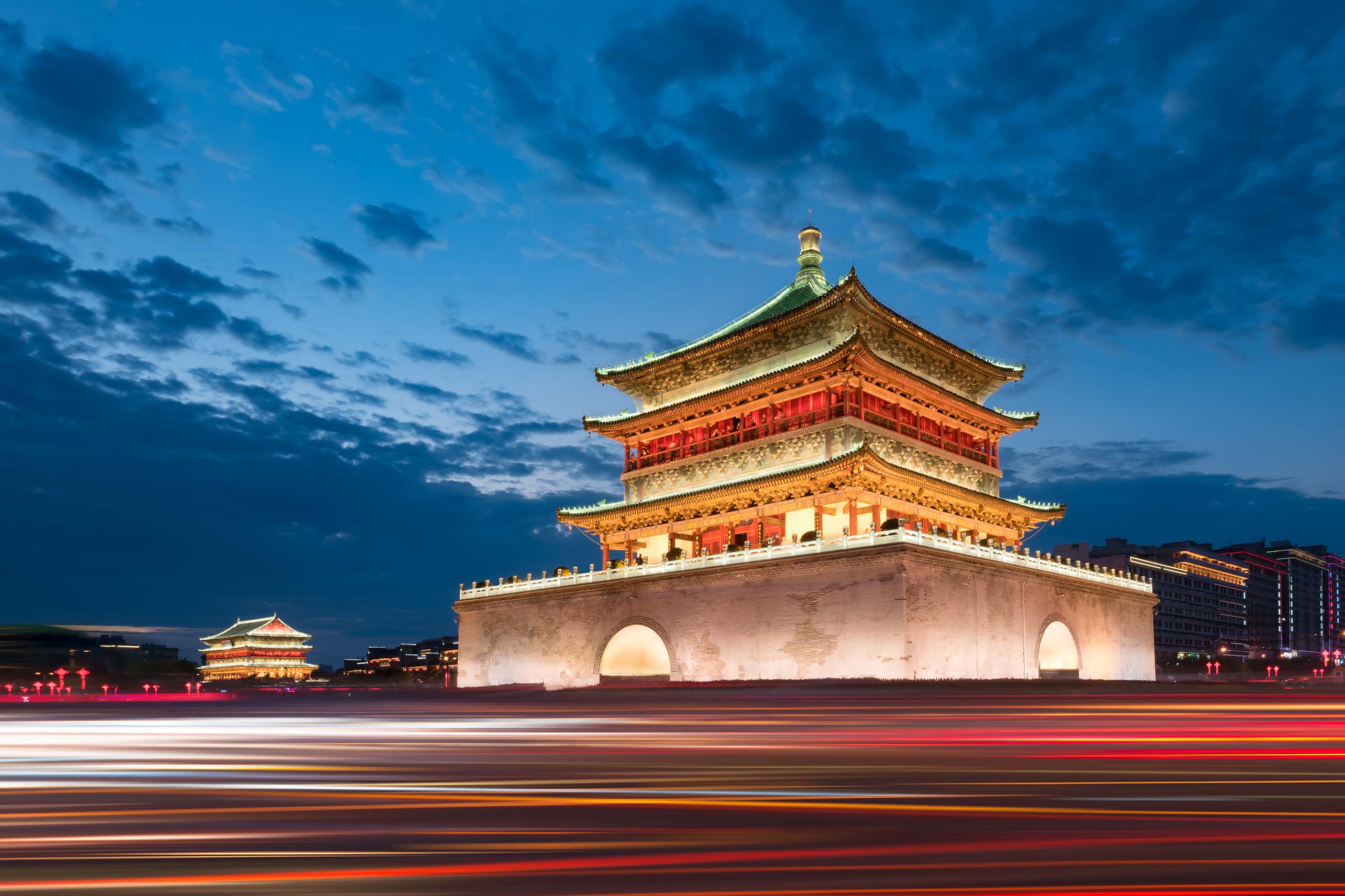
Xi'an itself has become a focal point of this industrial evolution. As the historic starting point of the Silk Road, the city is leveraging its aviation sector and university network to bridge the gap between basic science and commercial output. Airbus executive George Xu highlighted the city’s strategic importance, citing the long-standing partnership with the AVIC Xi'an Aircraft Industry Group as a primary example of how regional integration supports global supply chains. As economists like David Blair point out, the future competitiveness of multinational operations in China will depend on how effectively these emerging technologies—from AI to photonics—are integrated directly into the manufacturing floor.
Comments (0)
No comments yet. Be the first!