
The current framework establishes a 60-day negotiation window, but participants view every point as subject to renegotiation. For Iran, the strategy centers on stalling to protect the influence of the Islamic Revolutionary Guards Corps (IRGC), which perceives any U.S.-backed deal as an existential threat. By keeping negotiations alive, Tehran continues to export oil, relocate nuclear material, and maintain leverage over the Strait of Hormuz, effectively deferring a final confrontation while shielding its core power structures from external interference.
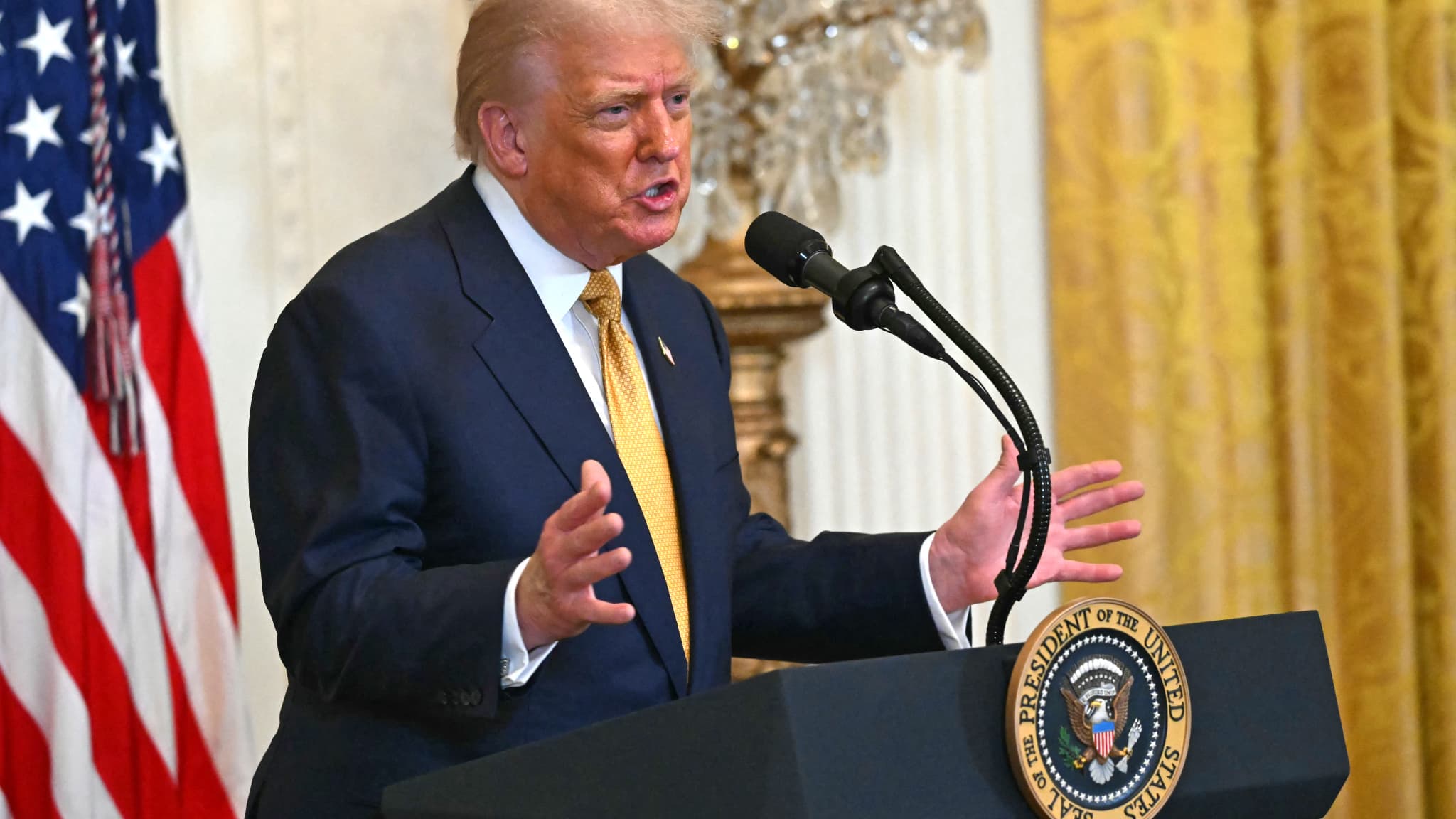
Washington’s motivations are equally tactical. With U.S. Congressional elections approaching, the administration faces the reality that rising gasoline prices directly correlate with diminished political support. According to sources close to the administration, Trump prioritized talks as the only viable path to dampen oil market volatility and avoid the economic fallout of either a full-scale conflict or a failed diplomatic policy. The cycle of negotiation, expiration, and extension serves as a functional buffer, keeping crude prices stable enough to avoid a pre-election recession. Both powers are locked in a performative dance where the process itself, rather than a final agreement, constitutes the primary objective.
Comments (0)
No comments yet. Be the first!