
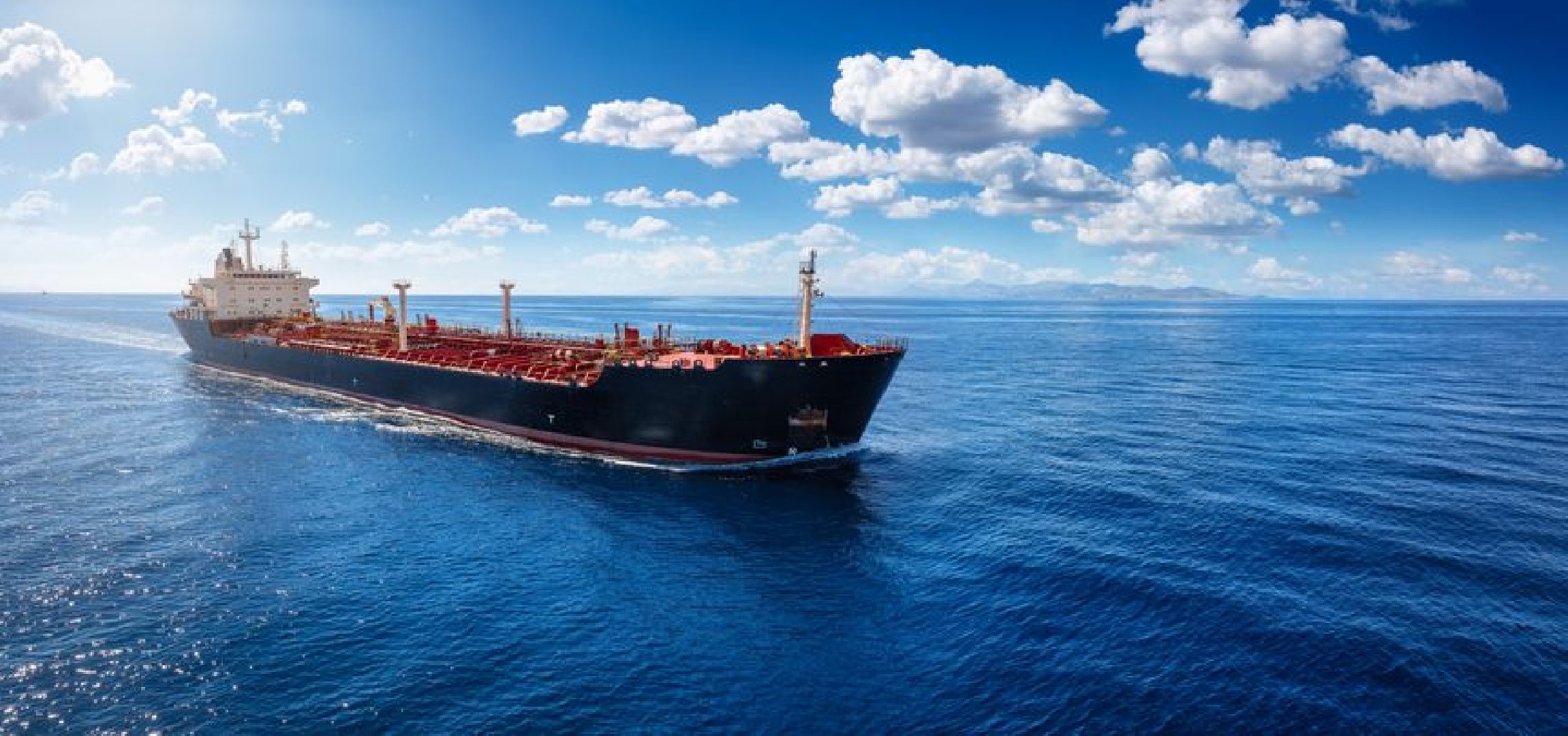
Japan historically relied on the Middle East for 95% of its crude, with 70% of those shipments transiting the vulnerable Strait of Hormuz. Following the effective closure of this critical artery in March 2026—which saw tanker volumes collapse by 90%—Tokyo accelerated a shift toward alternative suppliers. Procurement plans now prioritize shipments from the United States, Azerbaijan, South Sudan, and Russia’s Sakhalin fields, the latter remaining exempt from sanctions due to Japan’s acute energy requirements.
To bridge the immediate supply gap, the government is executing its largest-ever release of national oil stocks. As part of an IEA-coordinated initiative, Japan is deploying 80 million barrels—comprised of 54 million barrels of crude and 26 million barrels of refined products. This strategic buffer, combined with the influx of rare cargoes from Latin America and other non-Middle Eastern sources, allows domestic refiners to sustain throughput despite April’s record-low imports from traditional Gulf partners.
Comments (0)
No comments yet. Be the first!