
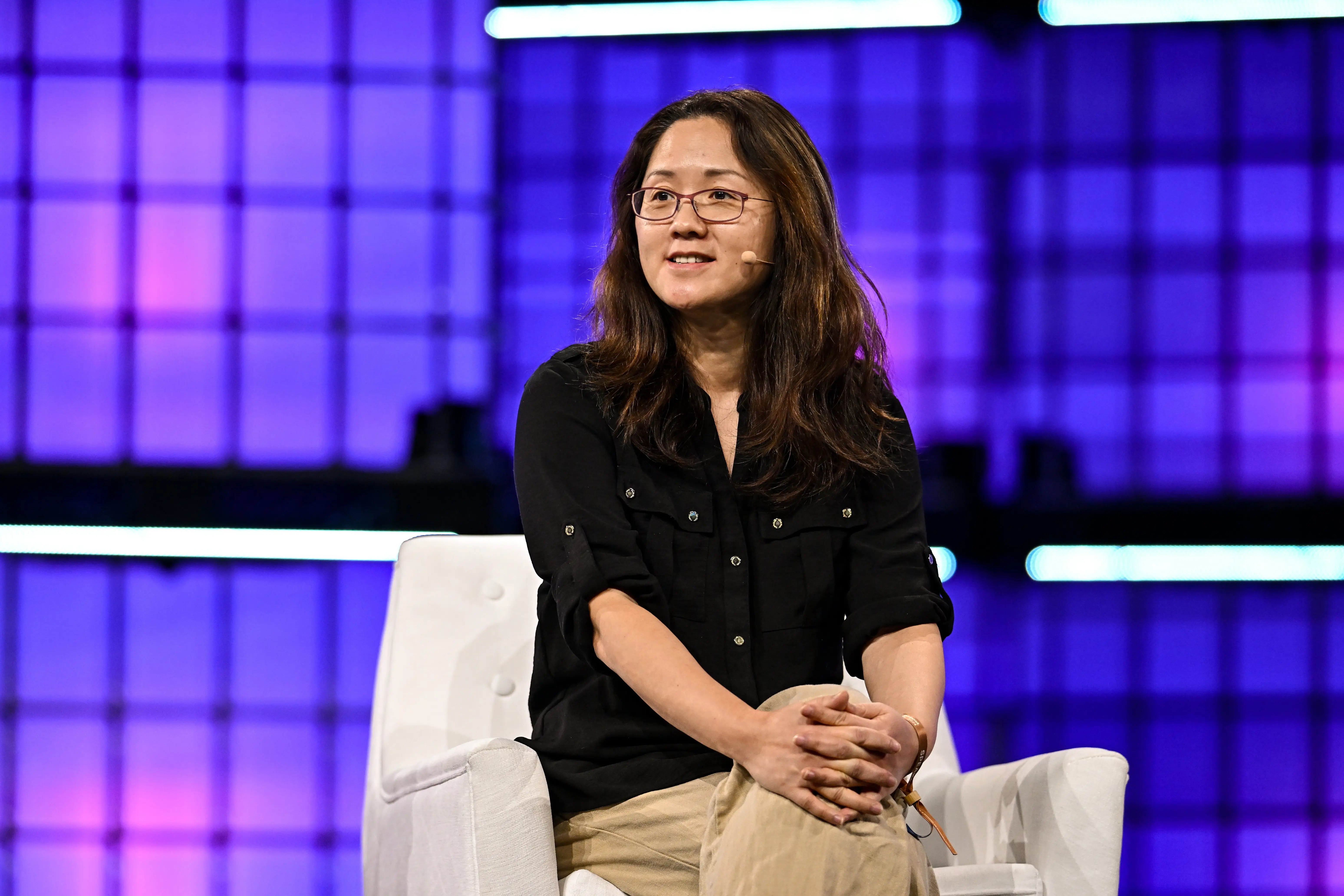
When Joy Qiao began searching for schools for her son, she identified a profound gap between the traditional, exam-focused systems of China and her desire for a multicultural, bilingual environment. This personal quest led her to Sir Anthony Seldon, then Master of Wellington College in the UK. Their partnership introduced the Wellington model to China, resulting in the establishment of Wellington College Tianjin in 2011 and Wellington College International Shanghai in 2014. Today, the network serves 5,000 students as a not-for-profit initiative.
Qiao posits that the rapid advancement of artificial intelligence necessitates a fundamental rethinking of classroom priorities. While technical skills were once the primary marker of a successful education, she believes those functions will increasingly be managed by machines. Instead, she advocates for the PERMA model—positive emotions, engagement, relationships, meaning, and achievement—to provide a measurable framework for student development. By integrating these values, the curriculum shifts from siloed academic subjects toward complex problem-solving and ethical competence.
This approach is visible in initiatives like the Loutang Charity Project at Hiba Academy Shanghai, where students engage in long-term companionship and cultural exchange with the children of migrant workers. Qiao views these interactions as essential training for the next generation to navigate a world often divided by bias and misunderstanding. For Qiao, the classroom is not merely a pipeline for the workforce, but a vital bridge between Eastern and Western perspectives, fostering the curiosity needed to address global challenges.
Comments (0)
No comments yet. Be the first!