
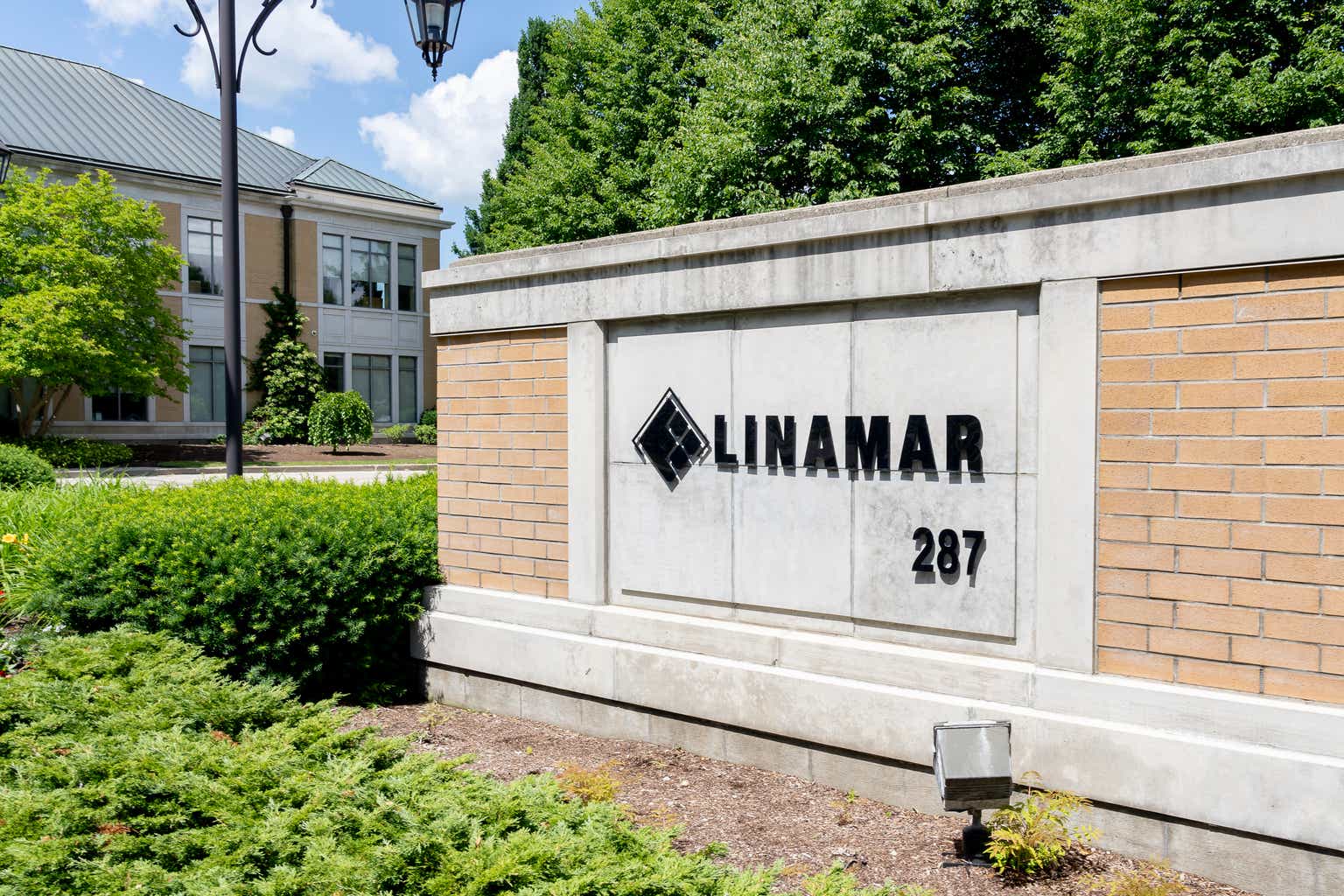
The transition to electric vehicles has fundamentally altered the economics of manufacturing for Linamar. While traditional internal combustion engines once required between US$8,000 and US$10,000 in precision machining content, electric powertrains have reduced that figure to roughly US$300. To counter this decline, Huang has steered the company toward the production of lightweight structural aluminum parts, completing four strategic acquisitions in the sector over the last five years to maintain the value of its output.
Beyond the automotive sector, Linamar is aggressively expanding into agriculture, leveraging its expertise in complex assembly to anchor a division that has become the largest shortline product supplier in North America since the 2018 acquisition of MacDon. Huang now eyes the Chinese and Indian markets for this division, though he notes that success there will require distinct service models tailored to local agricultural structures.
Innovation also extends into the emerging field of humanoid robotics. Linamar is focusing on the production of actuators—the components responsible for robotic movement—which constitute half of the total bill of materials for a humanoid unit. By integrating Chinese hardware with North American AI, the company hopes to secure a foothold in a sector characterized by intense competition between the two superpowers. These efforts remain guided by the philosophy of founder Frank Hasenfratz, who viewed the company’s stability as a three-legged stool supported by customers, employees, and shareholders.
Comments (0)
No comments yet. Be the first!