
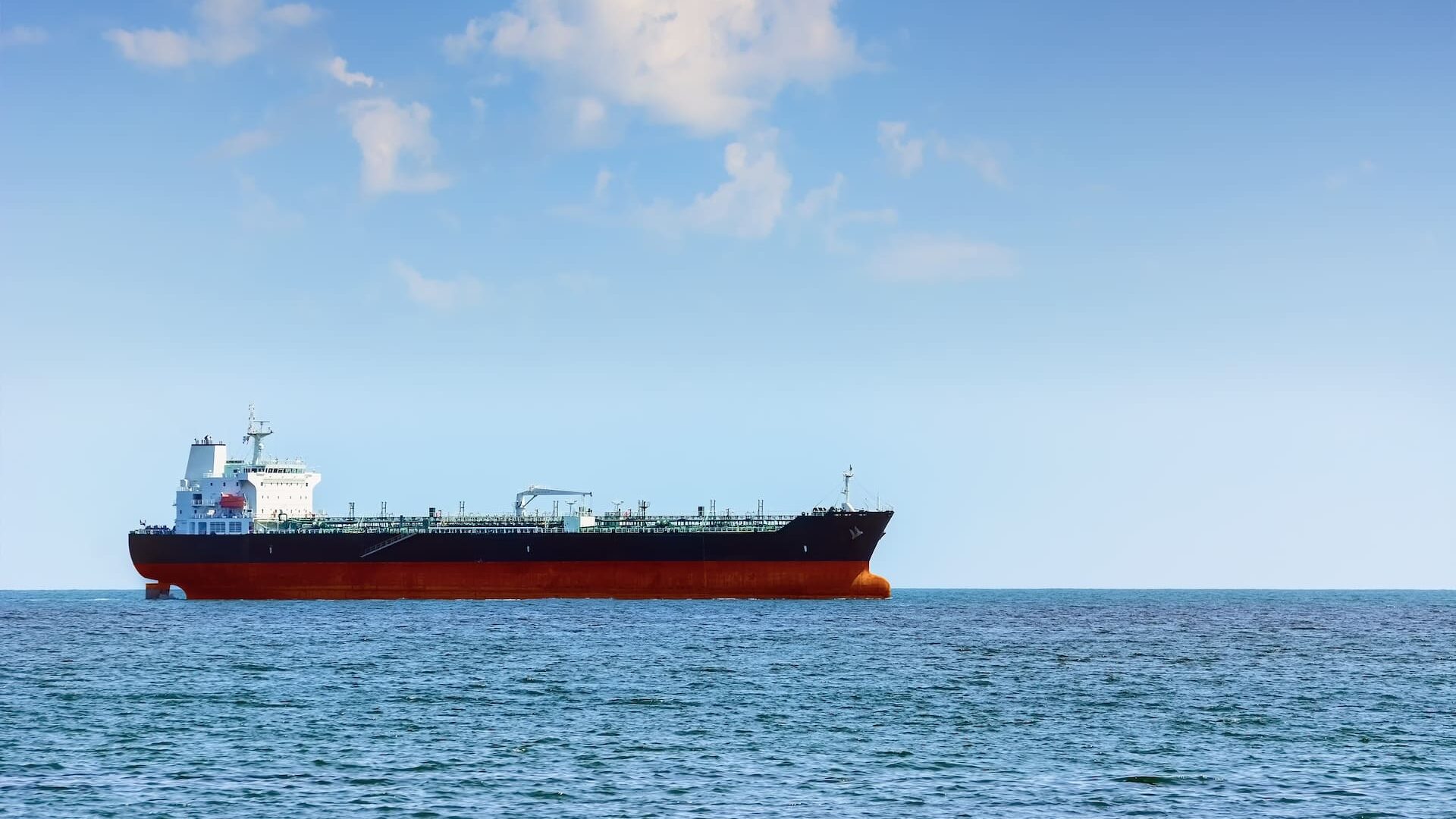
The scale of the vulnerability is stark: 60% of Asia’s crude oil flows from the Middle East. Data from Kpler confirms that last year, this reliance amounted to 14.74 million barrels per day. The logistical bottleneck is most visible in Iraq, where production has plummeted from over 4 million barrels daily to just 1.4 million. Iraqi oil export figures show a collapse from 93 million barrels to 10 million in April alone, illustrating the severity of the supply chain fracture.
Tanaka argues that the path to resilience lies in rapid electrification, citing the rise of electric vehicles and renewable energy as essential buffers against future shocks. While China continues to lead global oil and gas consumption, and the European Union contends with volatile electricity pricing, the push to reduce dependence on imported fuels is intensifying. The crisis may act as a catalyst for this transition, forcing nations to accelerate investments in domestic power infrastructure to escape the volatility of the global oil market.
Comments (0)
No comments yet. Be the first!