
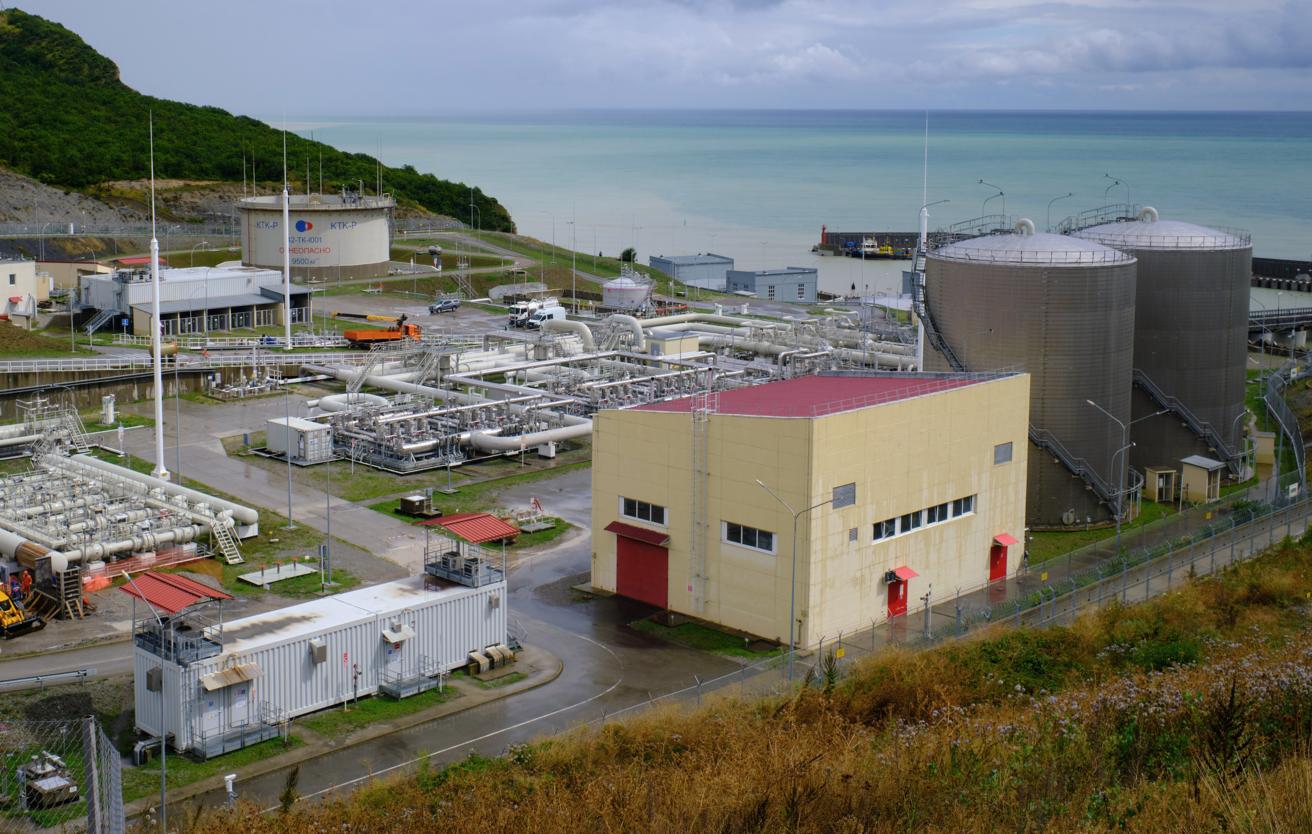
The Caspian Pipeline Consortium (CPC) remains the primary artery for this illicit trade, operating under a June 2022 EU legal exemption granted for Kazakh-origin oil. While Kazakhstan’s domestic production has risen by less than 2%, CPC throughput has jumped 38.5% to 72 million metric tonnes. According to senior EU energy security sources, this discrepancy represents a ghost volume of Russian and Iranian crude being moved to European markets. The Iranian oil, sold at a 35% to 42% discount, is integrated into the Russian pipeline matrix via the Caspian Sea, allowing Tehran to fund military hardware and satellite intelligence for the Islamic Revolutionary Guard Corps.
As the EU’s 2027 phase-out deadline approaches, energy flows are shifting toward the Baku-Tbilisi-Ceyhan (BTC) pipeline. Kazakhstan has announced plans to increase its BTC transit to 7 million metric tons per year, a five-fold increase that analysts deem impossible given current production quotas. This pivot suggests that by early 2027, the South Caucasus transit grid will serve as the primary relief valve for the Russian-Iranian energy swap. By the time the EU officially ends its reliance on Russian crude, this re-engineered infrastructure will likely have established a permanent, clandestine route for sanctioned energy, rendering the existing sanctions timeline largely symbolic.
Comments (0)
No comments yet. Be the first!