
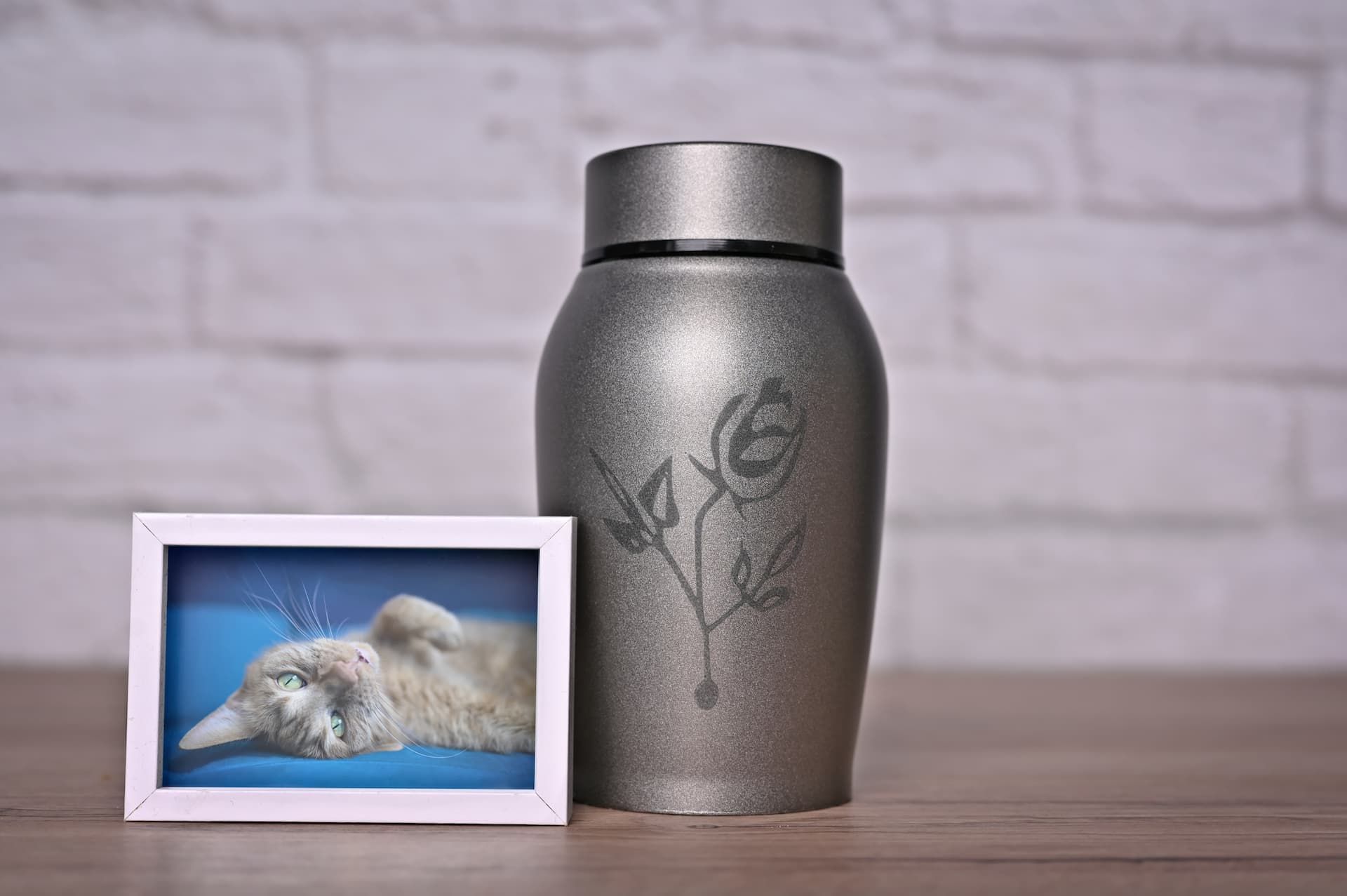
The procedure, known as aquamation, relies on a combination of water, temperature, and alkalinity to accelerate the natural decomposition process. Because it generates significantly lower emissions and consumes less energy than traditional methods, it has become a preferred choice for environmentally conscious families. The duration of the cycle varies based on the animal’s size, though most services are completed within hours.
Once the process concludes, families receive remains that share a fine, sand-like consistency with traditional ashes, providing a familiar form for memorialization. Beyond the core service, facilities often coordinate the delivery of personalized tributes, such as decorative urns, paw print impressions, or keepsake jewelry. While the remains themselves are frequently available within a business day, the preparation of custom memorial items may extend the total timeline by a few days. By focusing on both the efficiency of the procedure and the emotional needs of grieving pet owners, the service provides a structured, respectful approach to end-of-life care.
Comments (0)
No comments yet. Be the first!