
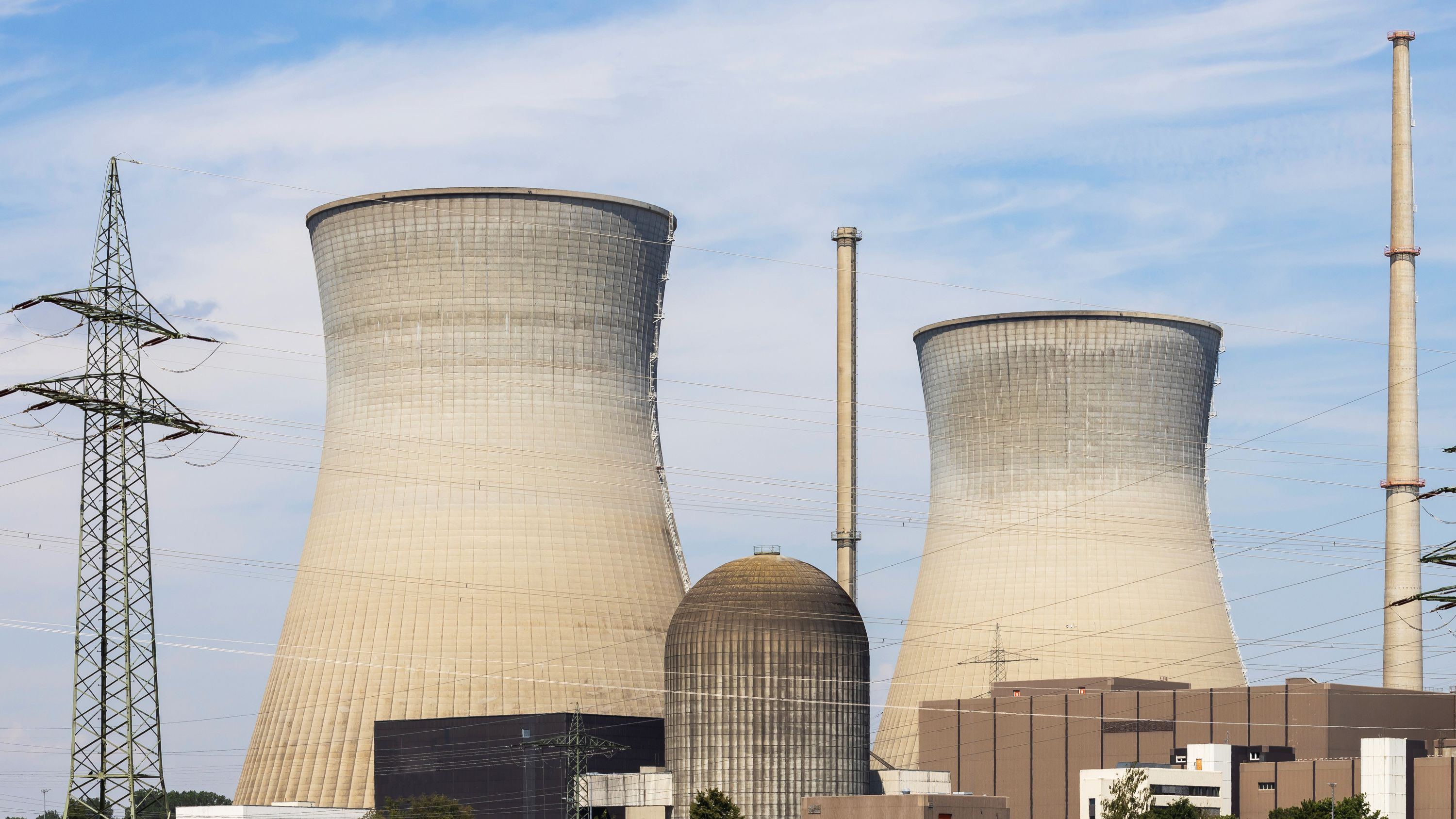
Energy Minister Tim Hodgson unveiled a strategy in Ontario this week to trigger a civilian nuclear renaissance, framing it as the only viable path to doubling the national grid capacity by 2050. Hodgson emphasized that Canada cannot achieve its status as an energy superpower without leveraging its existing nuclear advantages to sustain a low-carbon economy. Simultaneously, the Trump administration announced a federal loan program designed to lower costs for utilities and accelerate the construction of large-scale reactors across the United States. This effort seeks to establish American dominance in the global market, addressing concerns that the country has fallen behind in nuclear infrastructure development.
These initiatives arrive as China continues to rapidly scale its own capacity, adding 34 gigawatts over the last decade and positioning itself to overtake the United States and France as the world's largest nuclear producer within ten years. While the combined output of the new North American plans remains smaller than China’s ambitious five-year targets, they signal a critical strategic shift. Policymakers are moving away from the post-Fukushima hesitation that defined the industry for years, prioritizing energy independence and climate commitments to stabilize a market currently rattled by war and the immense power requirements of the AI boom.
Comments (0)
No comments yet. Be the first!