
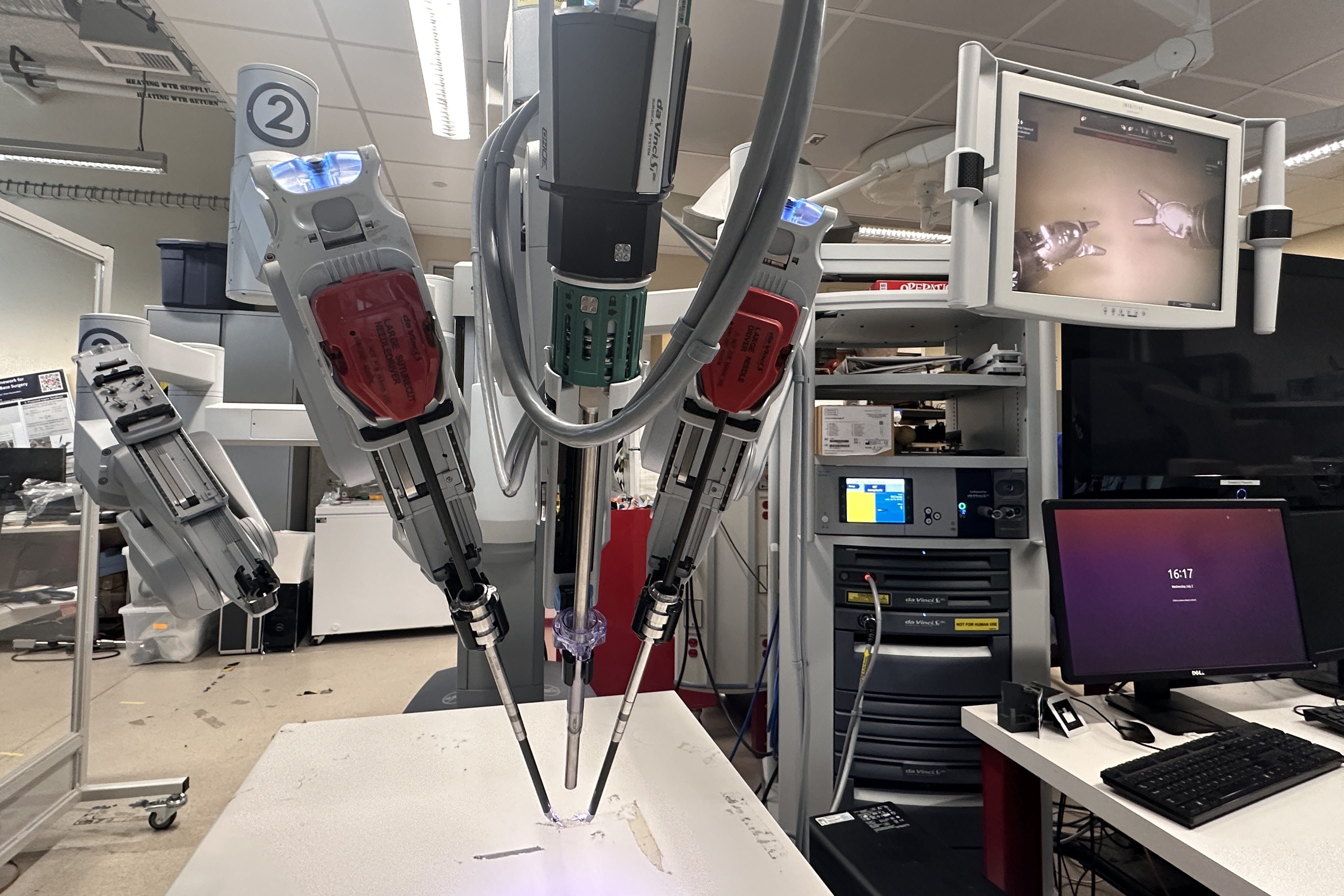
The AORN Guideline for Integration of Artificial Intelligence addresses the rapid deployment of software now used for everything from routine documentation and medication alerts to the analysis of complex visual data like X-rays and ultrasounds. Rather than viewing these systems as autonomous replacements, the new standards position AI as a supplementary tool intended to support, not supersede, the expertise of perioperative staff.
To manage this transition, the association recommends that healthcare organizations implement rigorous governance frameworks. These structures require interdisciplinary collaboration, bringing together nurses, surgeons, anesthesia professionals, and IT specialists to oversee technology throughout its lifecycle. AORN CEO David Wyatt noted that because the technology evolves at such a high velocity, the organization is updating its development process to ensure guidance remains current.
Beyond governance, the guideline stresses the necessity of organizational readiness and ongoing staff education. Dr. Lisa Spruce, AORN’s senior director of evidence-based practice, emphasized that personnel must be trained to recognize the inherent limitations of each tool. By establishing these parameters, the association seeks to protect both the patient receiving care and the nurses managing the technology in high-stakes clinical environments.
Comments (0)
No comments yet. Be the first!