
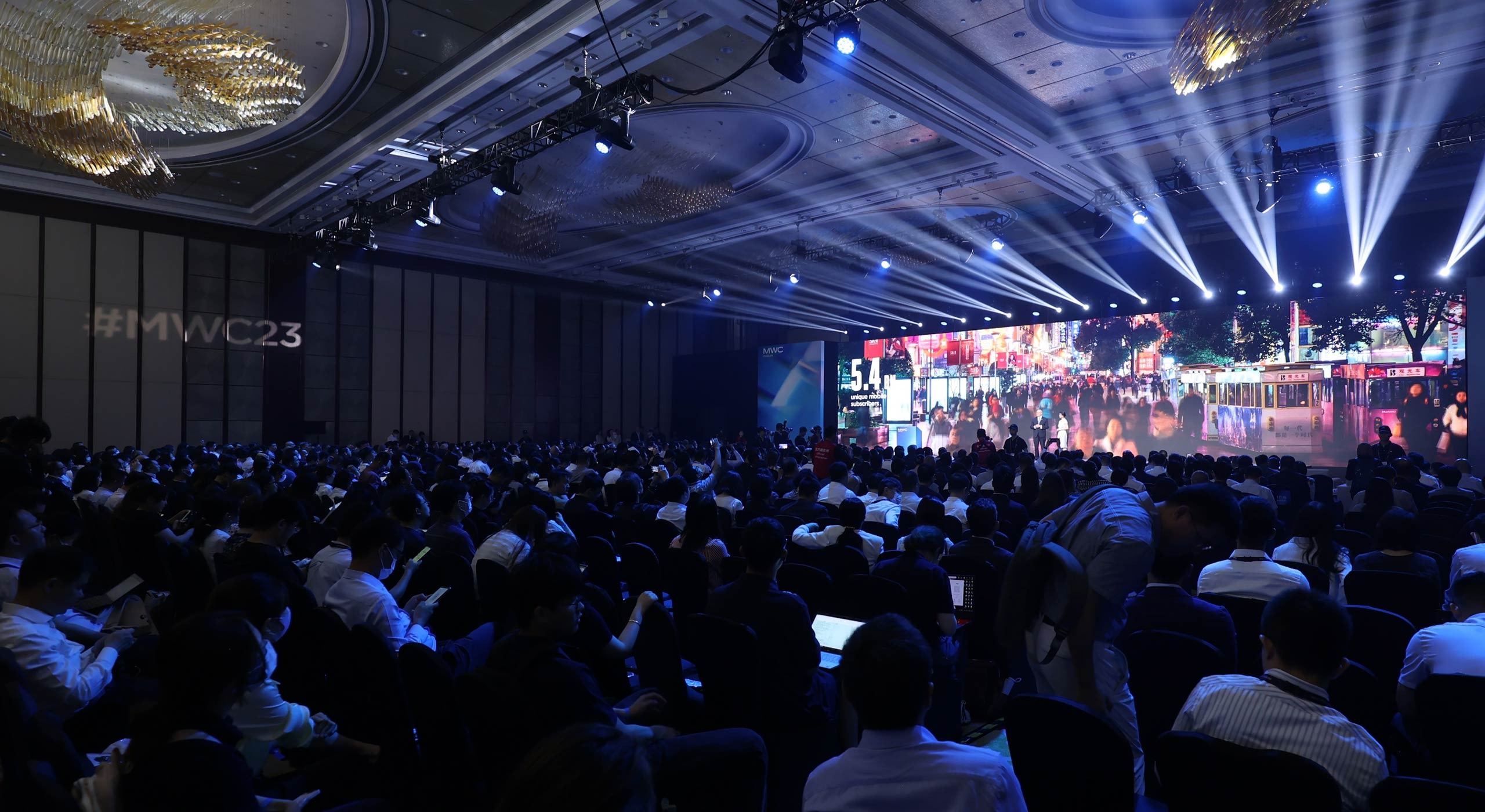
David Wang, Huawei’s Deputy Chairman, argued that the industry must evolve its infrastructure to support the next decade of growth. He outlined six imperatives, including the development of AI-native core networks and satellite-ground integration, to transform how carriers convert network capabilities into commercial value. The strategy focuses on a transition from traffic-centric models to real-time interactive systems, where connecting to a network provides direct access to distributed computing power.
Central to this shift is the commercialization of high-uplink speeds—essential for AI-powered devices like smart glasses that require 20 Mbps for real-time multimodal interaction. To support this, the industry is moving toward the Upper-6 GHz (U6 GHz) frequency band, with commercial deployments already slated for the Middle East, Hong Kong, and Macao. Huawei is currently working with carriers in Shanghai, Guangdong, and Hebei to integrate these AI capabilities into consumer and business services, targeting growth in smart home assistants and automated enterprise solutions. By implementing domain-specific intelligence, the company aims to push networks toward level-4 autonomous status, allowing carriers to better manage energy efficiency and service quality across diverse environments.
Comments (0)
No comments yet. Be the first!