
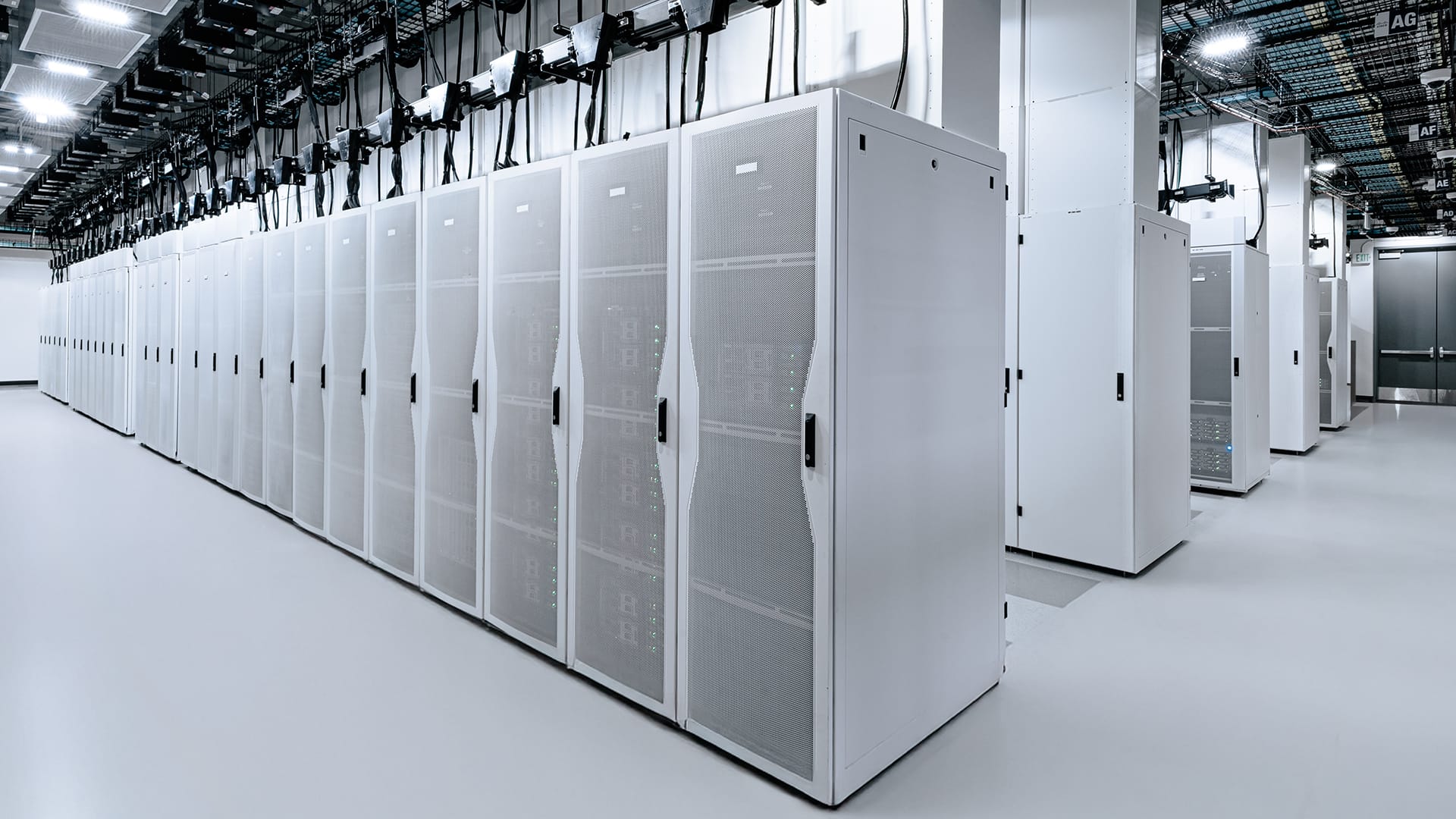
Global data centers consumed approximately 415 terawatt-hours in 2024, a figure the International Energy Agency expects to reach 945 terawatt-hours by 2030. This surge is equivalent to the daily output of a mid-sized oil producer, yet the grid remains chronically unprepared. With connection wait times stretching beyond four years and severe shortages of critical components like transformers, the industry is shifting from pure software development to a scramble for energy infrastructure.
Companies are increasingly seeking energy sovereignty to bypass these bottlenecks. Bitzero Holdings has positioned itself in this space by repurposing cash flow from Bitcoin mining to secure low-cost, renewable power sites in Norway, Finland, and North Dakota. Its recent deal with OneQode Networks marks a transition from mining to hosting high-performance AI workloads. While hyperscalers like Amazon and Alphabet commit hundreds of billions to capital expenditures, the true scarcity is the 'always-on' power that firms like Vistra provide through nuclear and grid-scale assets. As the line between crypto mining and AI infrastructure blurs, the companies that own the power generation—rather than just the compute—are gaining the ultimate strategic advantage.
Comments (0)
No comments yet. Be the first!