
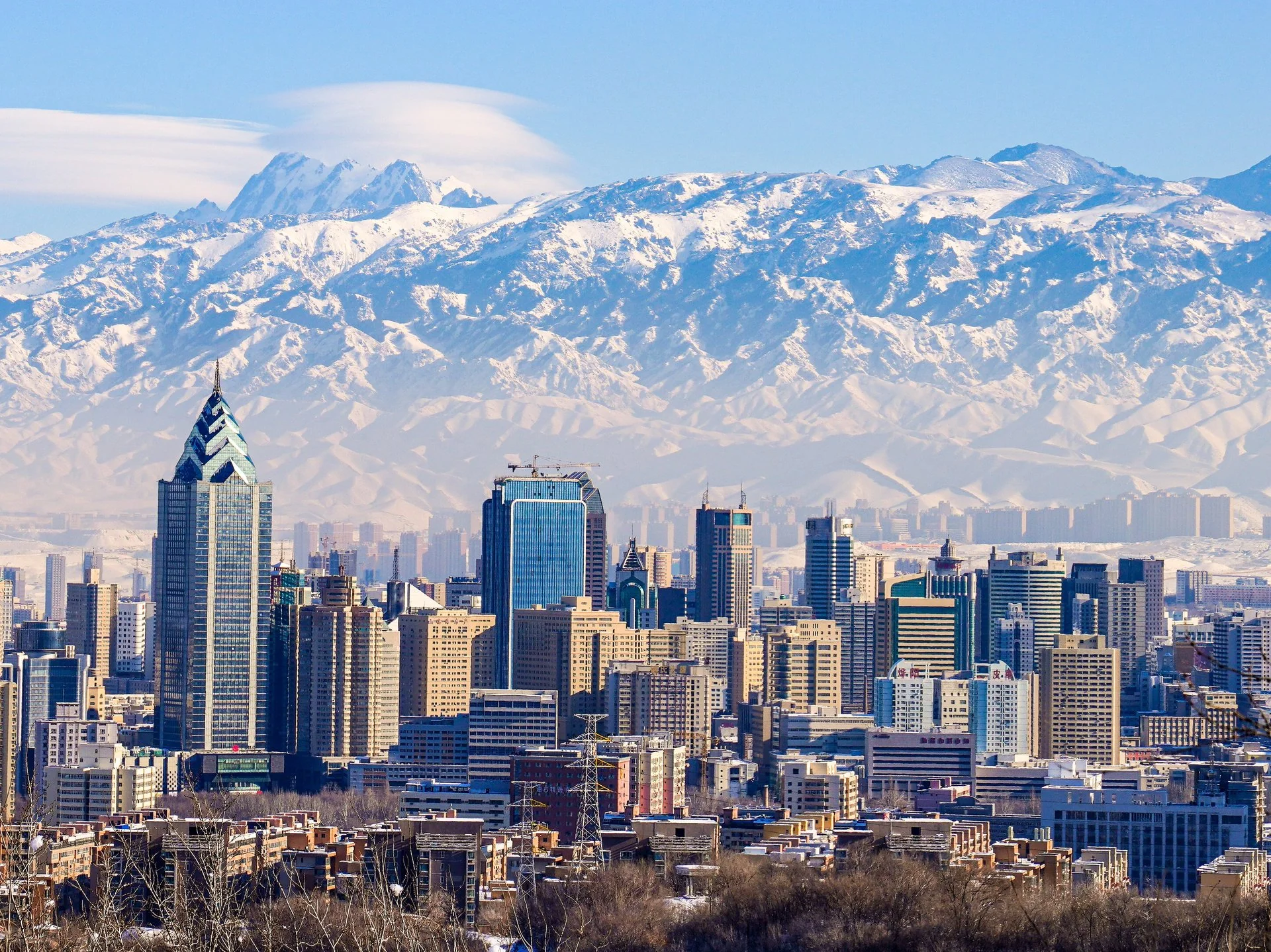
For Ferguson, the trip served as a necessary corrective to the fragmented perspectives often found in Western media. He argues that understanding China requires viewing it as a continuous, evolving process rather than a static image. During his research for an upcoming book, he observed how infrastructure projects—ranging from traditional rail and road networks to modern e-commerce incubation centers—are bridging the gap between remote villages and national markets.
He points to the Kekeya Project as a primary example of this transformation. Since 1986, this massive afforestation effort has reclaimed 800 square kilometers from the Taklimakan Desert, turning barren Gobi outcrops into a functional greenbelt. Beyond physical construction, Ferguson highlights advancements in healthcare, specifically noting how telemedicine at the First Affiliated Hospital of Xinjiang Medical University allows specialists to provide remote diagnostics to underserved populations. Through his interactions with local figures like trade union leader Mr. Gu, Ferguson concludes that modernization in Xinjiang is as much about human development and political engagement as it is about industrial output.
Comments (0)
No comments yet. Be the first!