
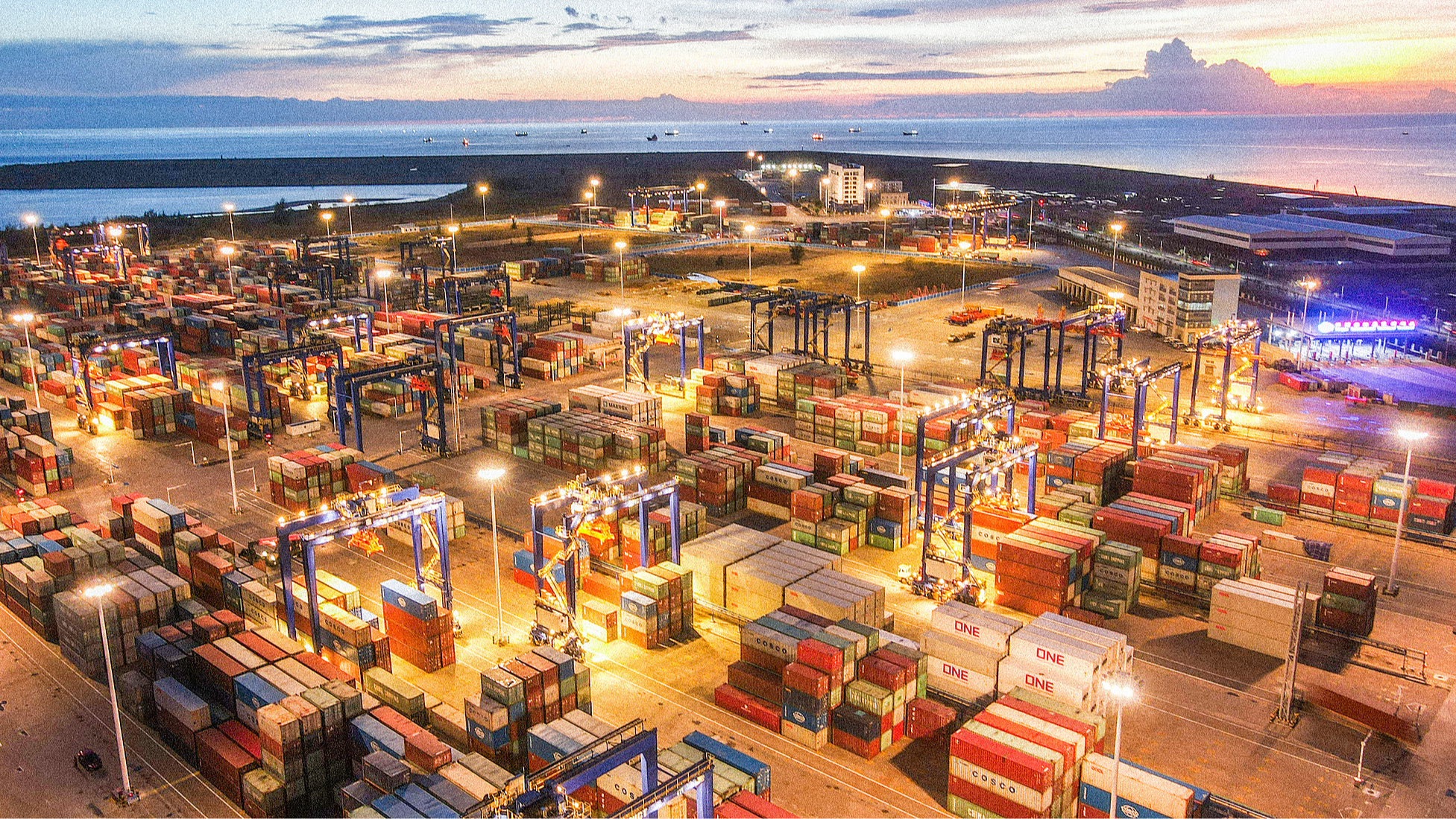
The shift toward institutional opening-up, which took effect in December 2025, has produced immediate economic results. By the end of May, the value of imports under the province’s zero-tariff policy climbed 116 percent, while clearance times for imported goods fell by 20 percent. This administrative efficiency has drawn significant interest from the global business community, with the number of newly established foreign-funded enterprises rising 37.6 percent.
Institutional reforms currently underpin the island's economic transformation, with zero-tariff treatment now covering 74 percent of all tariff lines. This policy environment has helped shift the local economic structure, as tourism, modern services, and high-tech industries accounted for nearly 70 percent of provincial GDP in the first quarter of 2026. The region now hosts 22 Fortune Global 500 companies and maintains trade ties spanning over 220 countries and regions.
To ensure long-term stability, officials are prioritizing a law-based business environment, enacting 57 local regulations under the Hainan FTP Law and launching specialized courts for commercial and intellectual property disputes. Looking ahead, the provincial government aims to cement the island's status as a gateway between the Chinese market and Southeast Asia, with plans to evolve into a globally influential high-level free trade port by 2050.
Comments (0)
No comments yet. Be the first!