
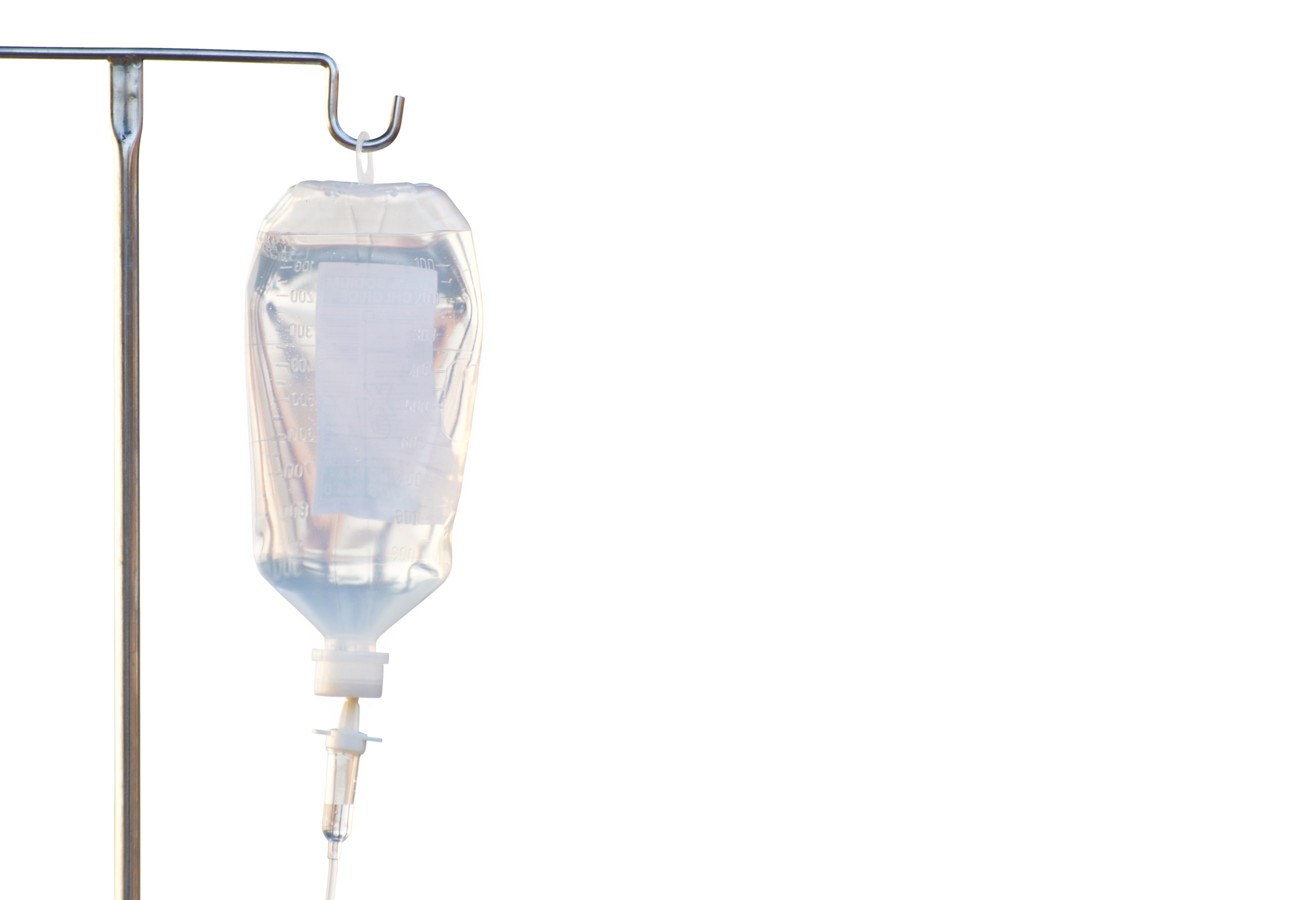
The industry is currently navigating a pivot from legacy plasticized PVC to advanced polyolefin-based films. While this move toward non-DEHP materials satisfies stringent EU Medical Device Regulation (MDR) standards, it imposes a 15-20% increase in raw material costs. Manufacturers are absorbing these expenses to maintain access to critical Western healthcare networks, where clinical safety has become the primary procurement driver.
Operational logic is also shifting within hospital systems. The adoption of ready-to-administer multi-chamber bags has successfully reduced medication errors by 30%, prompting a move away from manual pharmacy compounding. To capitalize on this, major players like Baxter, B. Braun, and Fresenius Kabi are moving toward vertical integration, securing film extrusion capabilities to insulate themselves against petrochemical resin volatility.
Growth remains uneven across global markets. India and China lead with annual growth rates of 7.2% and 7.0%, respectively, bolstered by large-scale public health programs. Meanwhile, Western markets focus on high-value oncology and home-care applications. As the industry scales, the technical challenge lies in sterilization; complex pre-filled formulations require low-temperature aseptic filling, further raising the barrier to entry for firms reliant on traditional, high-heat autoclave methods.
Comments (0)
No comments yet. Be the first!