
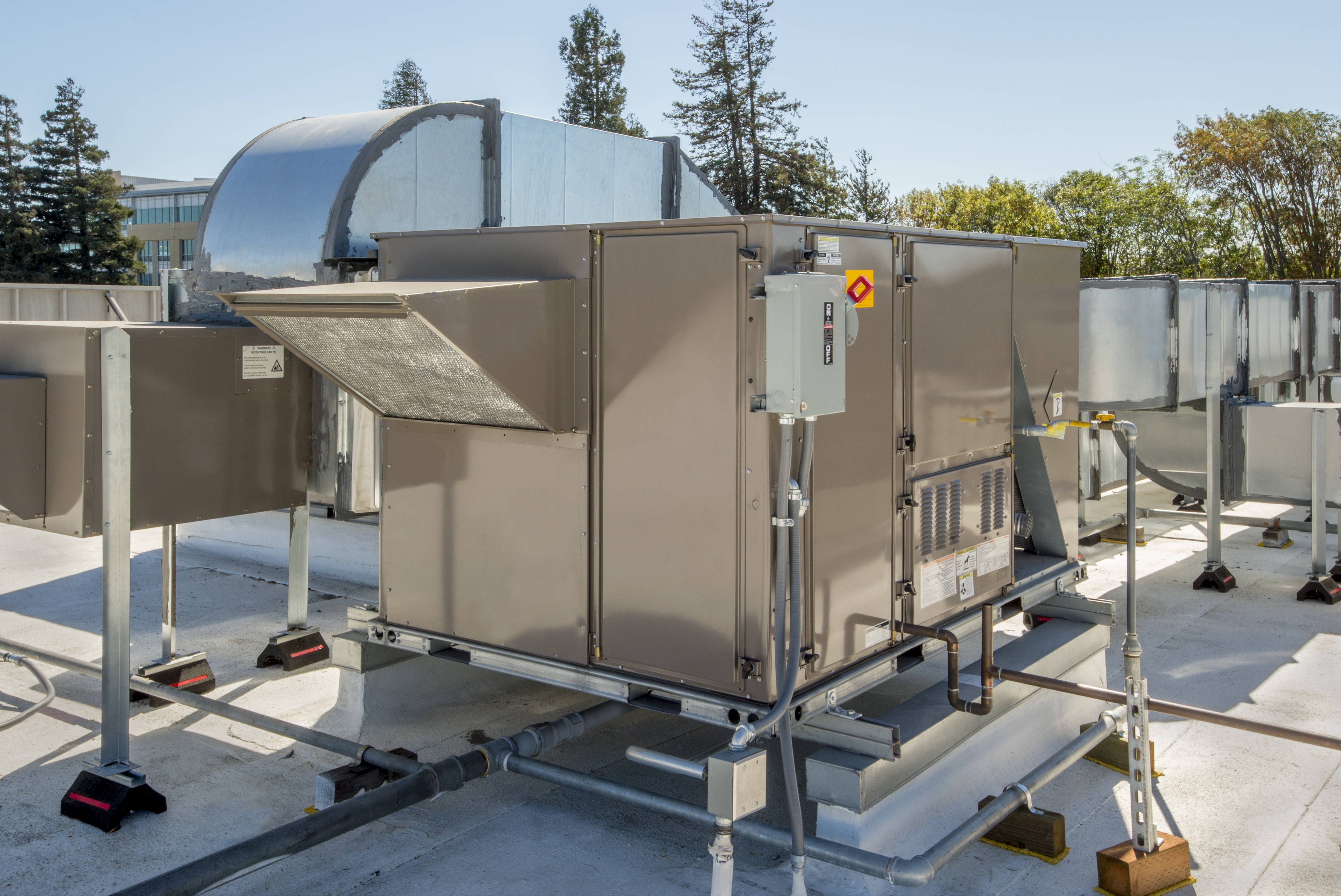
Most HVAC systems do not simply stop working overnight. Instead, they provide a trail of breadcrumbs—unusual noises, shifting airflow, or rising utility bills—that signal mechanical wear long before a system goes dark. Sinkler notes that grinding or squealing sounds often point to failing bearings or belts, while rattling suggests internal components have shaken loose. Ignoring these auditory warnings rarely leads to a resolution; rather, it typically accelerates the damage to motors and compressors.
Beyond mechanical noise, environmental shifts inside a building often indicate deeper issues. Musty odors from vents can signal mold growth fueled by trapped moisture, often traced to a clogged condensate drain. Similarly, uneven heating or cooling across different rooms frequently stems from ductwork leaks or a blower motor losing its ability to circulate air effectively. When a system begins cycling more frequently without achieving the set temperature, it is a clear sign that the unit is overworking to compensate for internal strain.
Financial indicators are just as telling as physical ones. A sudden spike in energy costs without a change in usage patterns is a primary indicator of dirty coils, clogged filters, or failing electrical relays. Proactive diagnostic inspections allow technicians to identify these worn components before they force a complete shutdown. By addressing these minor repairs early, homeowners and business owners avoid the significant expense of full system replacements and the discomfort of losing climate control during extreme seasonal weather.
Comments (0)
No comments yet. Be the first!