
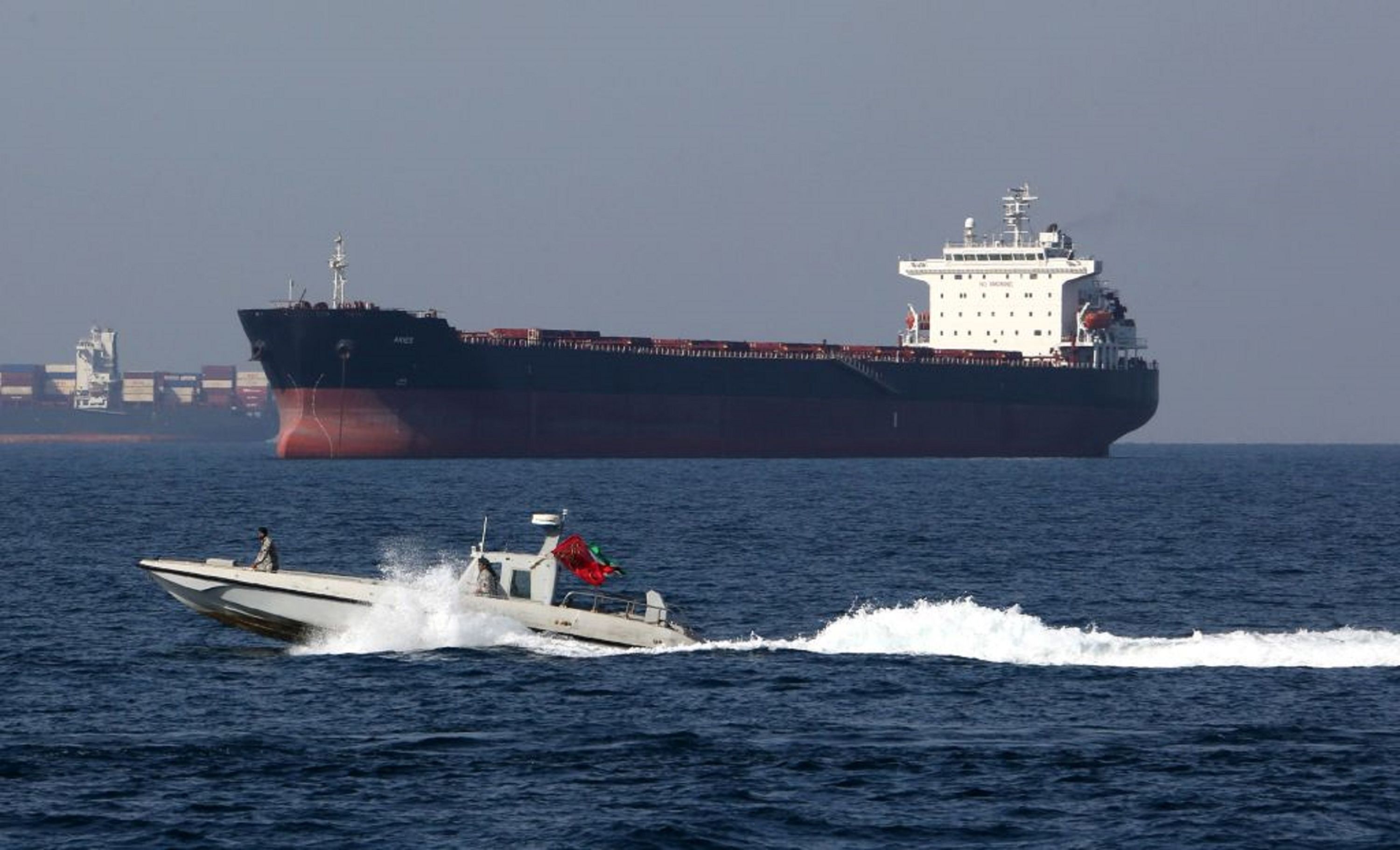
Energy Secretary Chris Wright revealed the scope of the military-backed transit during a Bloomberg event in Houston, marking the first time the scale of these escort efforts has been made public. While the Strait of Hormuz typically handles 20 to 21 million barrels per day, the current disruption had left many market participants fearing a much tighter supply bottleneck. The presence of these vessels serves as a functional lifeline for global energy markets, preventing the crude price surges that analysts had anticipated.
Energy traders appear to have overestimated the severity of the supply shock. Brent crude futures slipped over 3.7% to trade near $87 per barrel, a muted reaction given that two-thirds of the usual volume remains offline. Rebecca Babin of CIBC Private Wealth noted that current market pricing had previously accounted for a significantly lower throughput of only 3 to 4 million barrels per day. The reality of the military-supported flow suggests that the supply gap is narrower than the market initially feared. While Iranian crude remains excluded from these shipments, the U.S. administration intends to maintain these transit operations until a broader diplomatic resolution is reached.
Comments (0)
No comments yet. Be the first!