
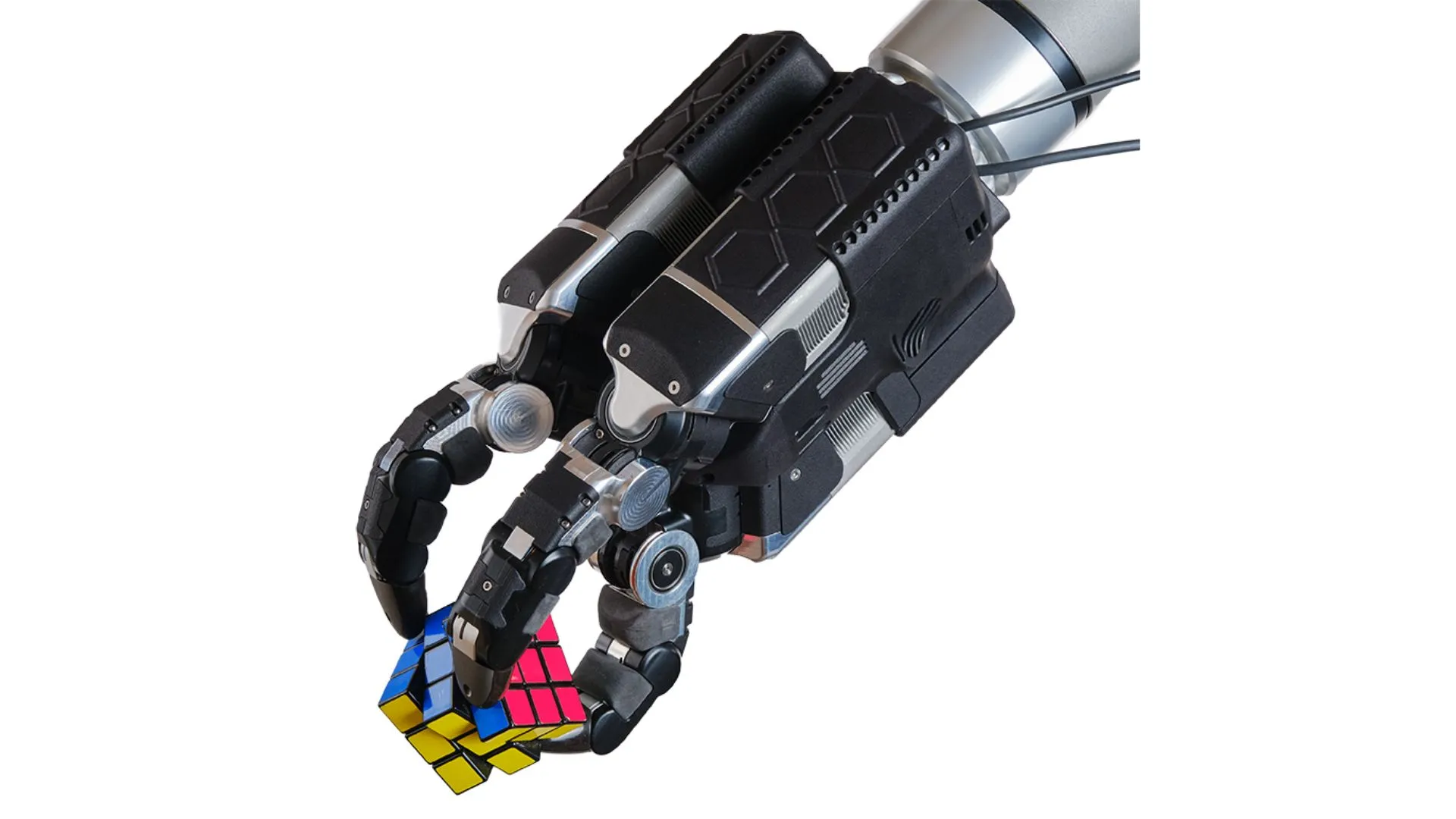
The Mozart dexterous hand features a distributed tactile sensing architecture, allowing each finger to capture real-time data on contact force and position. By integrating proprietary drive algorithms, the system enables flexible grasping suited for complex tasks in semiconductor, lithium battery, and 3C electronics production. Beyond the hardware, Jodell introduced visuo-tactile sensors and an embodied intelligence data acquisition kit to complete a full perception-interaction-execution chain.
The company draws on nearly three decades of aerospace-grade engineering, with a founding team that contributed to China’s first space robot. To enhance its sensory capabilities, Jodell partnered with Professor Gerald E. Loeb, founder of SynTouch, to develop human-like sensors capable of detecting force, vibration, and temperature while resisting industrial electromagnetic interference. This 'hand-eye-brain-data' ecosystem aims to standardize the execution layer for humanoid robots and industrial workstations.
With a portfolio spanning 17 series and over 50 mass-produced products, Jodell currently maintains an annual capacity exceeding 100,000 units. Having already supplied over 6,000 global customers, the firm is positioning its modular execution units to solve the 'last millimeter' challenge—the final physical barrier to deploying embodied intelligence on factory floors.
Comments (0)
No comments yet. Be the first!