
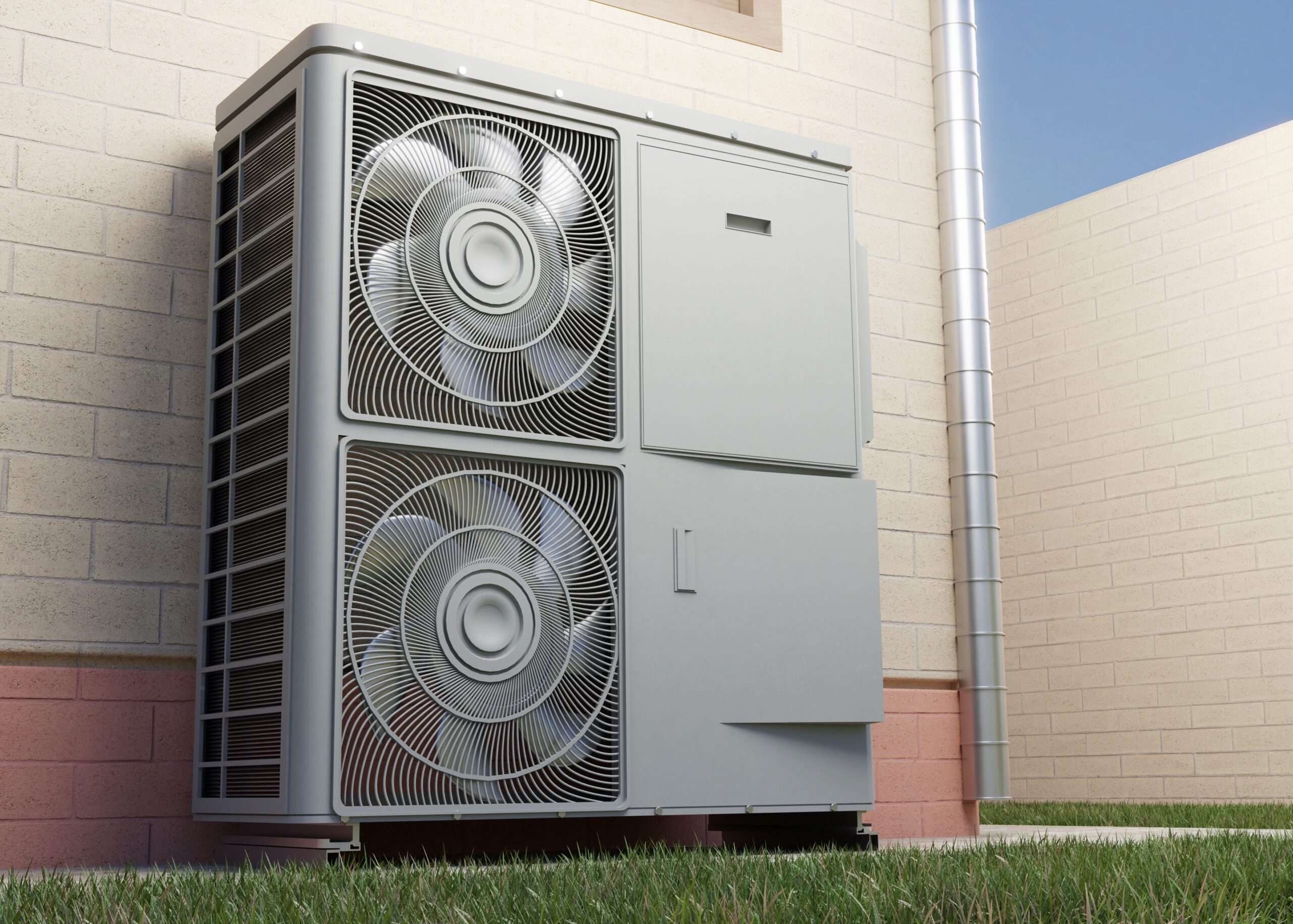
The primary distinction lies in methodology. Unlike furnaces that generate warmth through combustion, heat pumps transfer thermal energy, a process that can significantly lower energy consumption when paired with proper insulation. Modern cold-climate models have evolved to extract heat from air near freezing temperatures, offering a dual-function solution that provides both heating and cooling in a single unit. For many, this eliminates the need for separate seasonal equipment while maintaining consistent indoor temperatures.
Despite these advancements, the furnace remains a preferred choice for specific architectural needs. In homes featuring older ductwork or expansive layouts, the intense, rapid heat output of a natural gas furnace often outperforms heat pump technology during subzero cold snaps. Most heat pump installations in Michigan now incorporate electric or gas backup systems to ensure reliability during extreme weather events. Regardless of the equipment selected, Hunter emphasizes that professional sizing and energy audits are critical. Improperly matched systems often suffer from excessive cycling and premature wear, underscoring the necessity of a professional evaluation before finalizing a heating strategy.
Comments (0)
No comments yet. Be the first!