
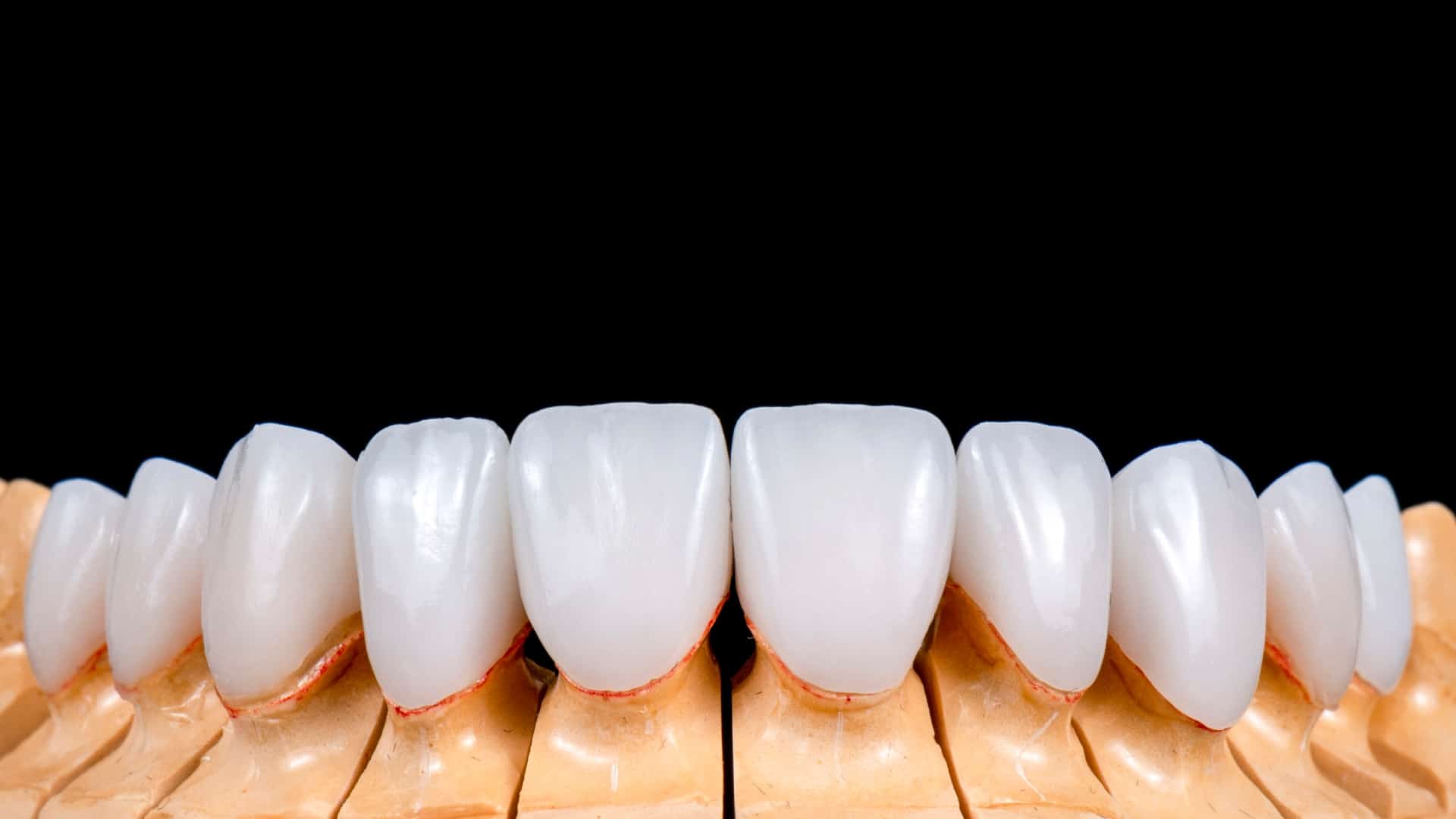
Veneers function as thin, custom-made shells designed primarily for aesthetic enhancement. They cover the front surface of a tooth to correct minor issues like chips, gaps, or discoloration. Because this procedure requires minimal removal of natural enamel, it remains a preferred option for patients looking to improve their smile while preserving the integrity of their existing tooth structure.
Crowns serve a more restorative purpose. When a tooth is severely damaged, weakened by a root canal, or contains a large filling, a crown provides full coverage. This encasement restores the tooth's strength, allowing it to withstand the significant pressure associated with chewing. While both treatments can be crafted from natural-looking materials like porcelain or ceramic, the choice is dictated by the level of decay and the structural needs of the patient's bite. Dr. Runyon notes that while veneers are long-lasting, they are more susceptible to chipping under high pressure, making crowns the more robust choice for teeth subjected to heavy daily wear.
Comments (0)
No comments yet. Be the first!